Codonopsis Root Wholesale
Bulk codonopsis root with flexible specifications and mixed-order sourcing from Bozhou.
Product specifications
| English Name | Codonopsis Root |
| Chinese Name | 党参 |
| Pinyin | Dang Shen |
| Latin Name | Codonopsis pilosula |
| Part Used | Root |
| Available Forms | Whole root, slices, cut pieces |
| Origin | China, sourced through Bozhou herb market |
| MOQ | MOQ from 1 kg; discuss based on specification and season |
| Packaging | Bulk cartons or woven bags; custom packing upon request |
Applications
Suitable as herbal tea ingredient, botanical raw material, traditional herbal product material and further processing ingredient, subject to local regulations.
Documents on request
COA, third-party testing, certificate of origin, phytosanitary or other export documents can be arranged when required.
Quote checklist
MOQ from 1 kg. Please send target specification, quantity, destination country and packaging requirements.
Get Latest PriceCodonopsis Root Wholesale buying guide
This buying guide is written for importers, herbal tea brands, botanical ingredient buyers and trading companies comparing codonopsis root specifications from China.
Available specifications
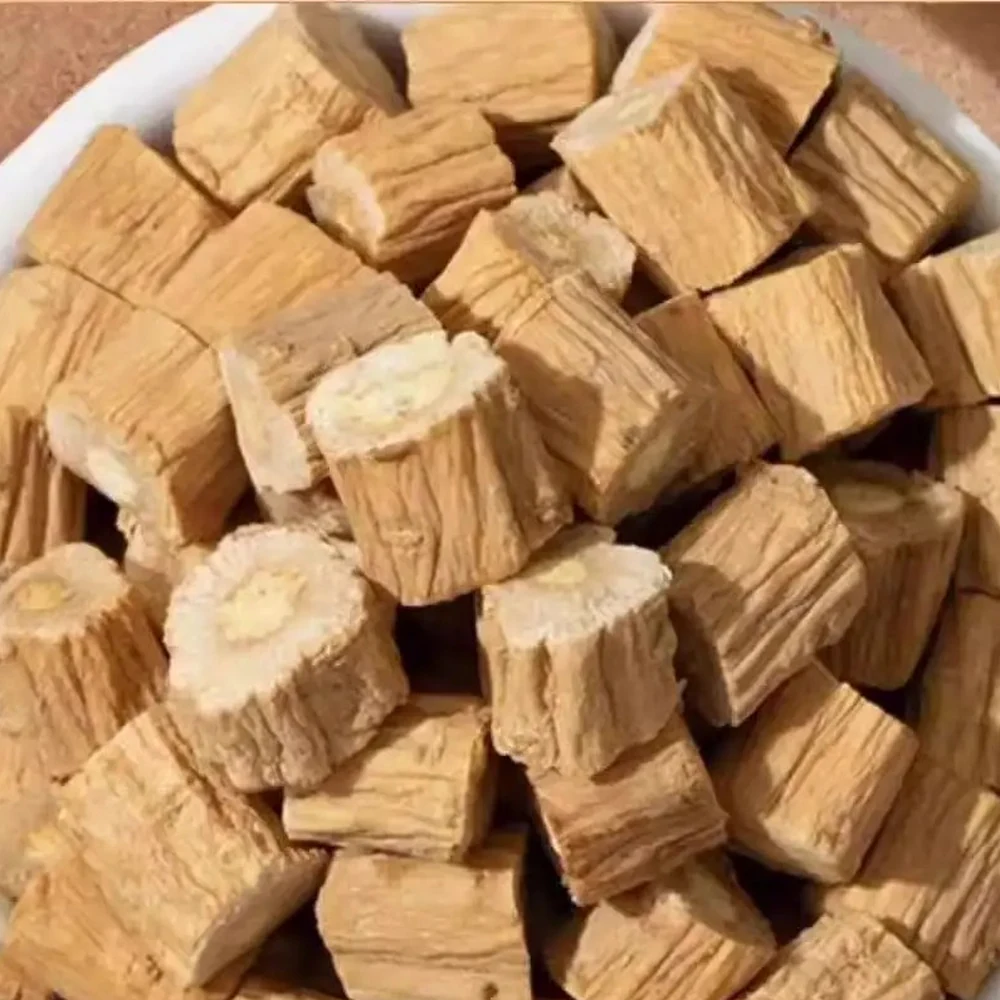
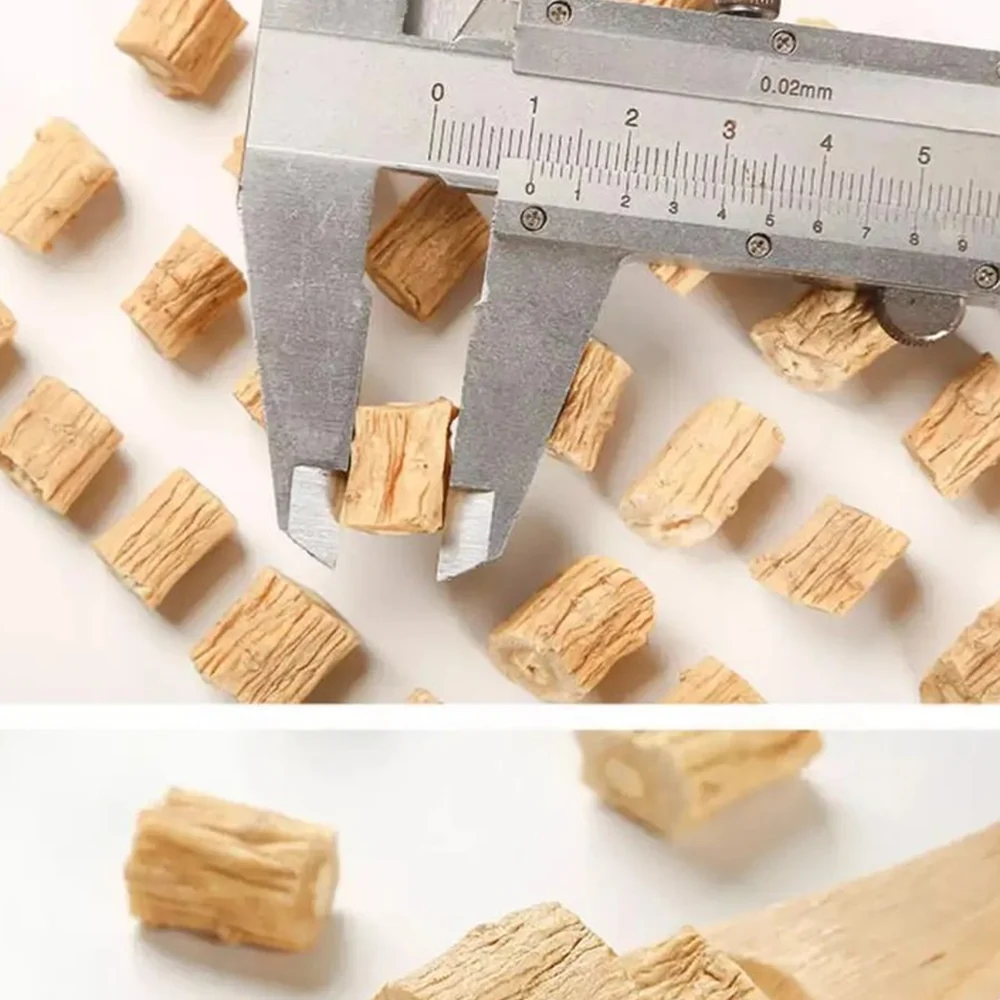
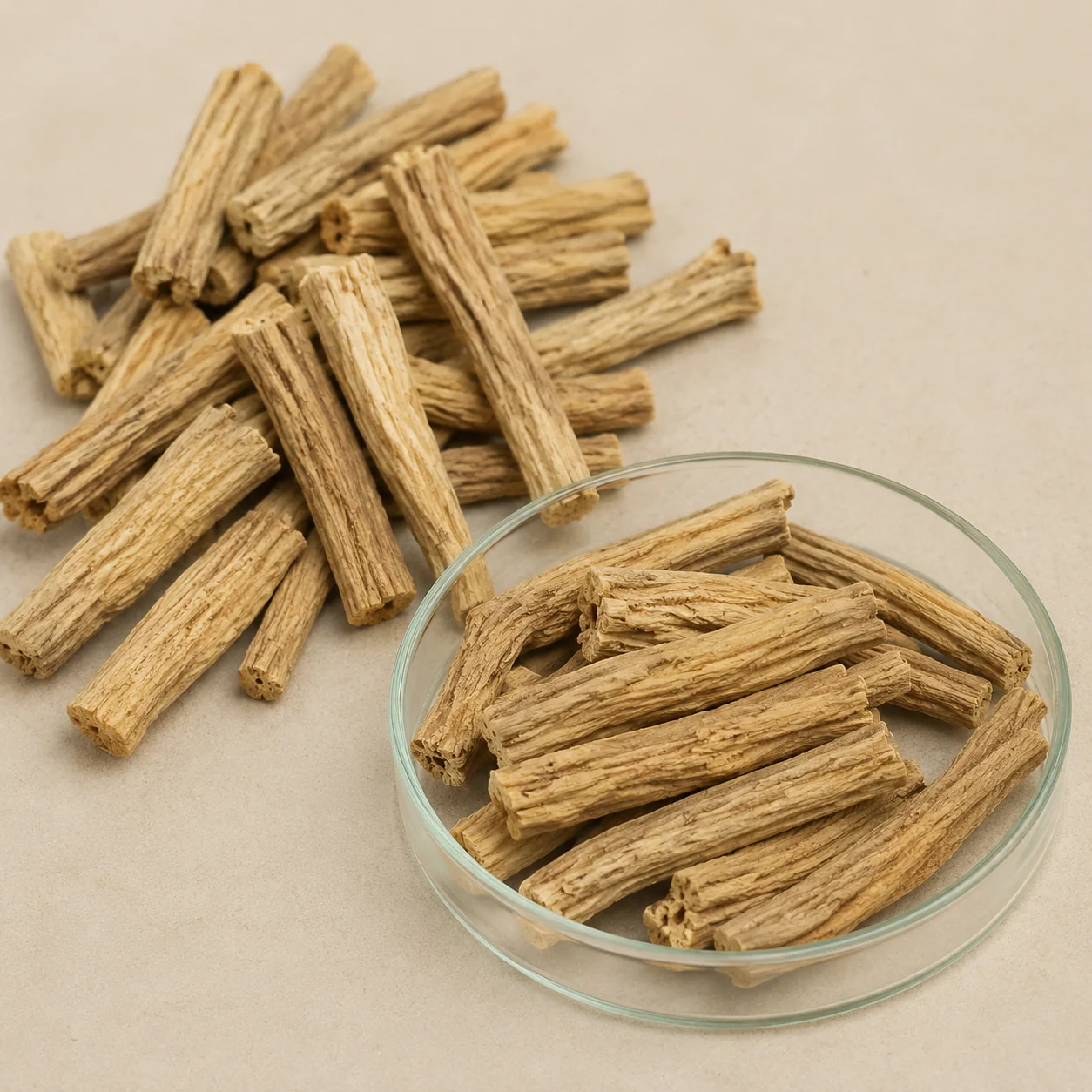
Codonopsis Root can be discussed in forms such as whole root, slices, cut pieces. Buyers should confirm cut size, grade, color, moisture expectations, packaging style and destination country before asking for a final quotation.
Quality checklist
Check appearance, odor, dryness, foreign matter, broken rate, uniformity and packing condition. For larger orders, third-party testing or pre-shipment inspection can be arranged upon request.
Sample and MOQ
Sample availability depends on season and specification. MOQ from 1 kg is available for many starter products; larger MOQ is discussed based on grade, packaging and whether the buyer needs a single product order or mixed order with other Chinese herbs.
How to buy Codonopsis Root from Bozhou
Start by sending the target product name, Chinese name if available, expected quantity, destination country and required form. Bozhou sourcing is useful because multiple grades may be available in the market. A clear inquiry helps compare the correct material instead of only comparing the cheapest price.
For B2B buyers, the best process is sample confirmation, written specification, bulk quotation, packaging confirmation, inspection arrangement and shipment discussion. If the product will be used as herbal tea ingredient, botanical raw material or further processing ingredient, the buyer should also confirm local import and labeling requirements.
Common buyer questions
Buyers often ask whether the product can be supplied in cartons, woven bags or custom packing. They also ask whether documents such as COA, certificate of origin or phytosanitary documents can be arranged. These requirements should be discussed before order confirmation because they may affect cost and lead time.
Applications are subject to local regulations. We describe products as raw botanical materials, herbal tea ingredients or traditional herbal product materials, and avoid unsupported medical claims.
Packaging and shipment planning
Before confirming a bulk order, buyers should decide whether they need standard export cartons, woven bags, inner plastic lining, vacuum packing or custom labels. Packaging affects loading volume, moisture protection and final landed cost. If the product will be repacked by the importer, bulk packaging may be enough. If the product will be sold as a tea ingredient or ingredient for further blending, cleaner selected material and stronger packaging may be worth the extra cost.
Why work with a Bozhou-based sourcing partner
A Bozhou-based sourcing partner can help compare available grades, check whether the current season is suitable for buying, and source related products for mixed orders. This is important for buyers building a long-term Chinese herb supply chain rather than making a one-time purchase. Clear communication, written specifications, sample records and pre-shipment checks make repeat orders easier and reduce misunderstanding between buyer and supplier.
Long-term supply planning
For repeat procurement, buyers should record approved sample photos, packing details, grade notes, acceptable moisture range, preferred cut size and document requirements. These records help the supplier quote the same standard next time and help the buyer compare price changes fairly. Seasonal herbs may change in appearance and price, so long-term buyers should ask for updated photos and sample confirmation when switching harvest lots. A stable sourcing workflow improves consistency, reduces dispute risk and supports stronger cooperation between overseas buyers and a Bozhou-based Chinese herb supplier.
Next step for buyers
When you are ready to compare quotations, prepare a short inquiry with the product name, required specification, estimated quantity, destination country, packing preference and any document requirements. This makes it easier to check the correct grade and respond with a useful quotation instead of a general market price.
Codonopsis root sourcing FAQ
What details should importers confirm before ordering codonopsis root?
Confirm the cut size, dryness, moisture, color, foreign matter, approved sample reference, packaging and document requirements, quantity and destination country before order confirmation.
Can codonopsis samples or mixed roots orders start with MOQ from 1 kg?
MOQ from 1 kg can be discussed for codonopsis samples, mixed roots orders and botanical raw material trial quantities when market availability, packing and shipment planning are suitable.
What document topics should buyers discuss for codonopsis root?
Buyers can discuss COA, third-party testing, certificate of origin, phytosanitary documents, packing marks, label information and destination country requirements before shipment. Product use, labeling and claims are subject to local regulations.